![]() |
Needle Know-how |
||
| L A U R I E B A K E R | |||
|
Home sewers used to have two choices for needles--a sharp for wovens or a ballpoint for knits --not any more. |
|||
|
Introduction Needle Anatomy Needle Sizing Needle Types Basic Needles Specialty Needle Types Twin & Triple Needle Types Selecting the Correct Needle Credits |
|||
|
|
| Introduction |
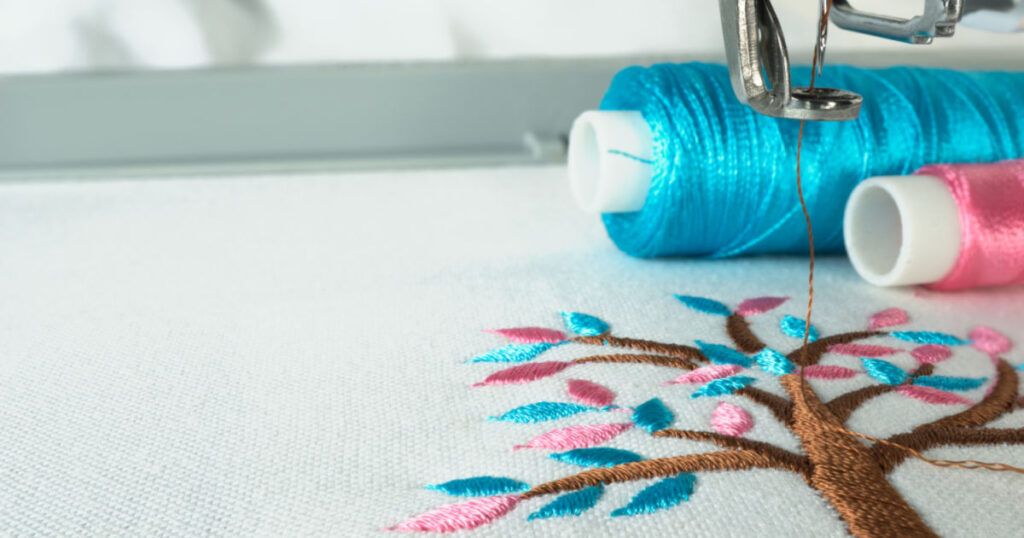
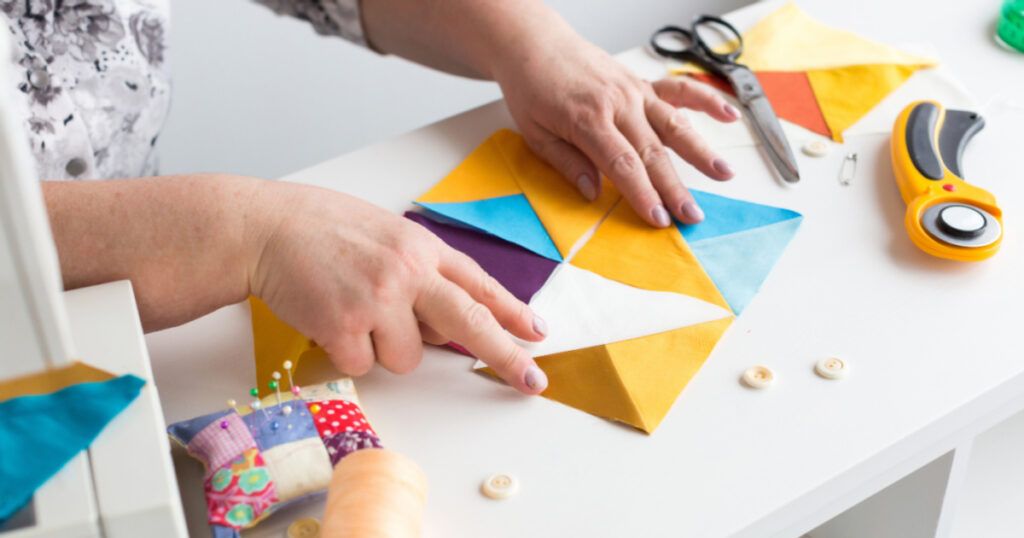
When the universal point needle was introduced, it could be used for practically any sewing task around the house, including both wovens and knits. Now, home-sewers have technology and a seemingly unending supply of creative resources at their fingertips. With all the technological advancements in recent years there are many new fibers for creating even more fabrics and fabric blends. Quilting is enjoying renewed popularity, bringing with it new notions and a larger and more appealing selection of cotton fabrics than ever before. Sewing machines with embroidery capabilities have popped up everywhere, generating new creativity for fashion and home decorating projects. And rayon and metallic threads are as common and easy to find as their cotton and polyester counterparts.
New fibers, new threads, new ideas--all contribute to the home-sewer's need for a larger assortment of sewing machine needles so the perfect stitch can be achieved. And the manufacturers are meeting those needs. Picking up a packet of needles for the next project isn't as simple as it used to be ... unless you have needle know-how. |
|
|
| Needle Anatomy |
All needles have basically the same parts, but these parts' shapes and lengths are what make each different. (See figure 1)
|
|
Shank: The needle's upper portion is called the shank. It's usually round on one side and flat on the other. Check your sewing machine manual for instructions on properly inserting this portion of the needle into the machine. Improper insertion can cause skipped stitches or no stitches at all, as well as broken needles.
Shaft or blade: The lower portion that extends from the base of the shank to the point is called the shaft. The groove, eye, scarf and point are all shaft elements. Groove: This part is located on the shaft on the same side as the rounded part of the shank. The indentation acts as the last thread guide and provides a protective channel for the thread to lie in as the needle passes through the fabric to form the stitch. Scarf: Turn the needle over so the shank flat side is face up, and there's another indentation--the scarf--on the shaft, right above the eye. The scarf's purpose is to allow the bobbin case hook to get close to the needle eye and catch the thread to form a stitch. Eye: This is the hole above the needle point through which the needle thread passes. Its job is to carry the top thread into the bobbin case so the stitch can be formed. The size of the eye varies with the needle type and size to accommodate different thread weights. A needle should be selected with an eye that is the appropriate size for the chosen thread, otherwise stitches may not form properly and the thread may be damaged. Point: The point is the tip that pierces the fabric. Needle points are specifically designed to pierce a particular fabric type. |
||
![]() |
More Articles Past Issues |