Think smocking is too time-consuming? Use your sewing machine to easily imitate the look of hand smocking.
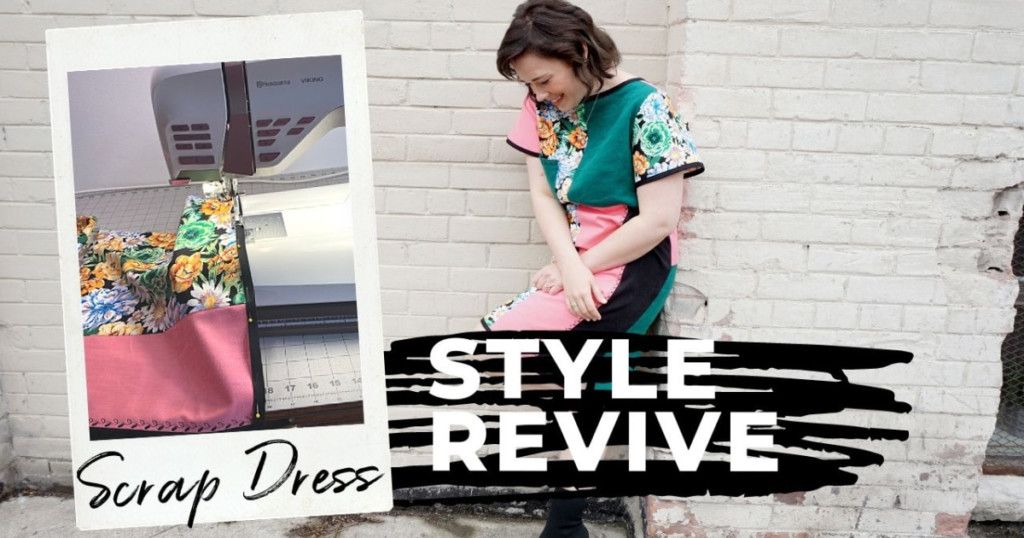
The smocked inset on this cute summer dress may look like traditional English hand smocking, but it's actually done on the machine. This easier and faster smocking method involves pleating the fabric, then using decorative machine stitches over the pleats. Use a pleating machine for even faster results.
Supplies
Fabrics: Cotton and polyester/cotton blend fabrics are the best choices for smocked projects as they make the neatest pleats. They're also easy to care for and comfortable to wear. Quilting cottons offer a great variety of colors and prints.Because the smocking stitches are the decorative focus, select either a solidcolor or a small print without a lot of contrast. The featured dress incorporates a band of solid fabric for a smocked insert because the printed fabric in the body of the garment would overpower the smocking stitches. Prewash the fabric before cutting.
Needles: A 90/14 embroidery needle works well with most machine embroidery threads and the thickness of the pleated fabric.
Threads: Experiment with decorative threads to find the look you like best. Rayon threads give a lovely sheen. Polyester threads are colorfast and may be more durable with repeated washings. Cotton threads look more like hand-embroidery floss. Metallic threads add sparkle and a dressy look to the stitching.Most machine embroidery threads come in a 40-weight. Try some of the heavier 30-weight threads, as well as the newer 12-weight cotton threads.
Presser feet: Use a clear appliqué foot or an open-toe appliquŽ foot when stitching. These feet allow better visibility while sewing rows of decorative stitching.
Patterns: For the easiest preparation and construction, use a pattern that's meant for hand smocking. Look in the pattern books for suitable patterns or see "Sources" at the end of this article for companies selling a variety of patterns for children's smocked clothing.
Pleating: Use one of the following methods to pleat the fabric for smocking. Use a contrasting quilting thread for the pleating--these threads are also the guidelines for the decorative machine stitching and contrasting thread will be easier to see.
The first and last rows of pleating threads are generally used to hold the pleats and keep them neatly in position at the seam allowance while attaching the pleated fabric to another garment piece. Decide how many rows of decorative stitching you want, then pleat an additional two rows (1).
There should be a guide (sometimes called a pleating guide) included in the pattern that will help you determine how much the pleated fabric needs to be pulled in to fit the pattern piece. When pleating the fabric, use long thread lengths (measure the pleating guide and add 10") to allow the pleated fabric to expand to fit the pleating guide.
Pleater machine. A smocking pleater quickly makes the neatest pleats. Follow the machine's directions to pleat the fabric.
Pleating by hand. Commercial patterns (like the Vogue pattern used on the featured dress) usually come with an iron-on dot transfer to use when pleating by hand. Following the pattern guide-sheet, transfer the dots to the fabric and pleat by hand.
Gathering. For smocking/heirloom patterns that don't have iron-on dot transfers included, hand stitch even rows of running stitches. Place each row about 3/8" apart and try to line up the stitches as much as possible for even pleats (2). Pull up the threads to gather the fabric into pleats.
You can also "pleat" the fabric by machine sewing rows of long basting or gathering stitches. Stitch the rows 3/8" apart, then pull the bobbin threads to gather the fabric.
At each end of the pleated fabric, gather all the thread ends and tie them into a knot at the thread ends. Carefully expand the pleated fabric to fit the pleating guide. Keep 1" of the fabric flat at both edges to eliminate bulk in the seam allowances. Try to keep the pleats straight and evenly spaced; run a comb or hair pick through the pleats to help position them neatly.
Cut a strip of fusible, lightweight woven interfacing the size of the pleating guide. Carefully fuse the interfacing to the pleated fabric wrong side to avoid distorting the pleats. This stabilizes the pleated fabric and keeps the pleats from shifting while sewing. The fusible interfacing is soft and will remain on the fabric after construction.
If you don't want the added interfacing layer, use a spray adhesive to apply water-soluble stabilizer to the wrong side of the pleated fabric. Wash away the stabilizer after the decorative stitching is done.